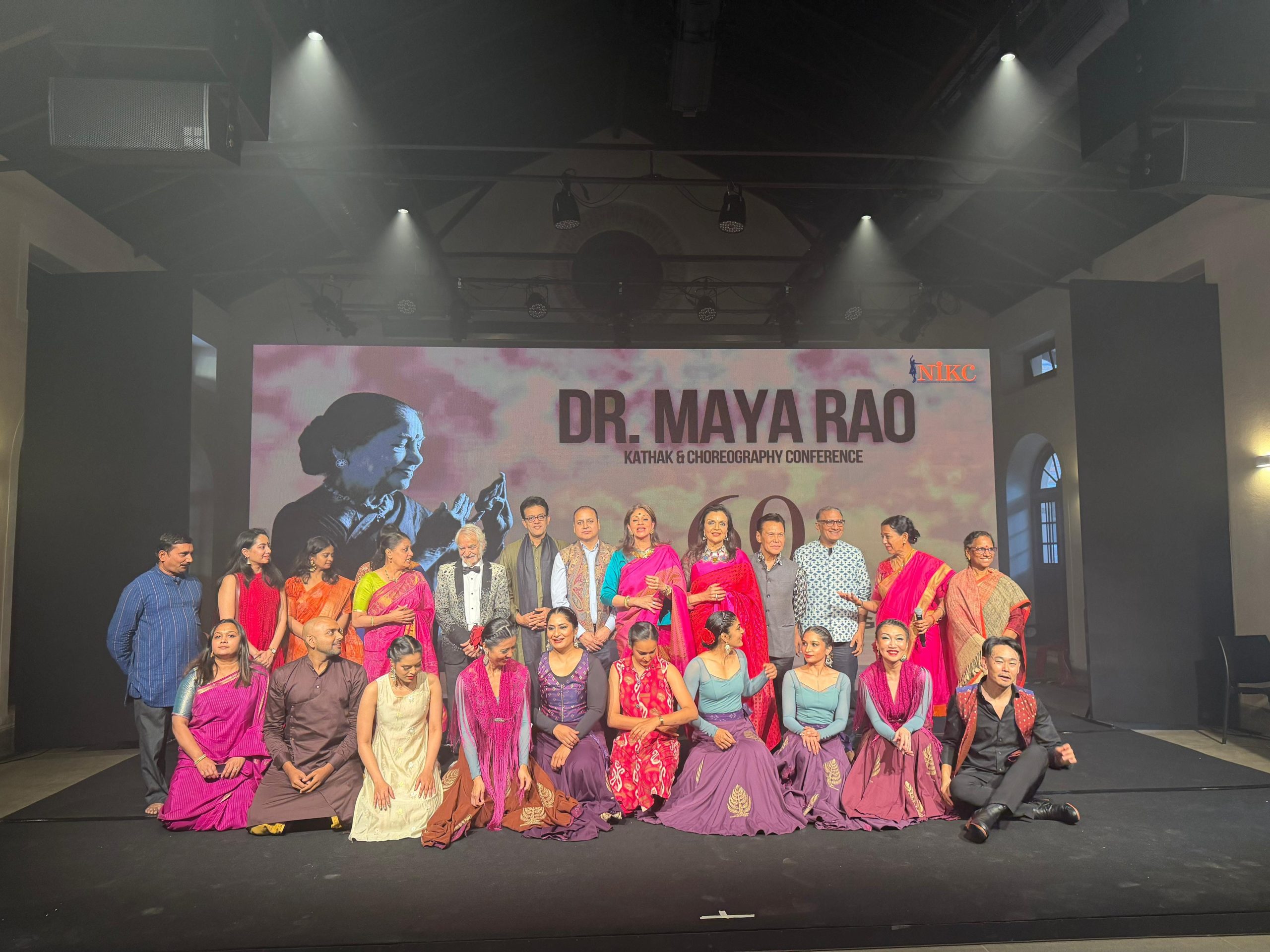
What a Two-Day Dance Conference Taught Us About Community Events
A real community, a real problem
Natya Institute of Kathak and Choreography is one of those rare Bangalore institutions that quietly holds the cultural fabric together. When they planned a two-day, free, public conference on dance and choreography at Sabha, a beautiful heritage space in the heart of Bangalore, the intent was simple: open the doors, invite the city, and create space for insightful conversations around movement, performance, and practice.
But the execution was anything but simple.
This wasn’t a single evening event.
It was two full days, each with:
- Morning and afternoon sessions
- Performances followed by panel discussions
- Multiple speakers, each with their own bios, photographs, and body of work
- An exhibition showcasing costumes and archival material
- A need to share context—who is speaking, why they matter, and what the audience should expect
And because the event was free and open to the public, Natya had one crucial question they couldn’t answer easily:
Who is actually coming?
Where community events get stressed
Most cultural and community organisations face the same invisible problems:
- Information overload, scattered everywhere: Event details live across WhatsApp forwards, PDFs, posters, Google Docs, and Instagram posts. No single place tells the full story of the event.
- Complex agendas don’t fit simple tools Tools built for birthday parties or single-slot events fall apart when there are:
- Multi-day schedules
- Parallel sessions
- Speakers who appear more than once
- Supporting content like videos, images, and long bios
- WhatsApp is unavoidable. Unmanaged Invitations have to go out on WhatsApp. But replies come back as:
- “Will try to come”“Only Day 2”👍 emojisSilence
- No dignified way to document participation For institutions like Natya, knowing who attended matters—for archives, outreach, grants, and future programming. Yet asking people to “fill a form” at a free cultural event often feels wrong and gets ignored.
What Zapigo did differently
Zapigo stepped in not as a ticketing tool, but as an event companion built for real gatherings.
1. We turned complexity into a clear, beautiful invite
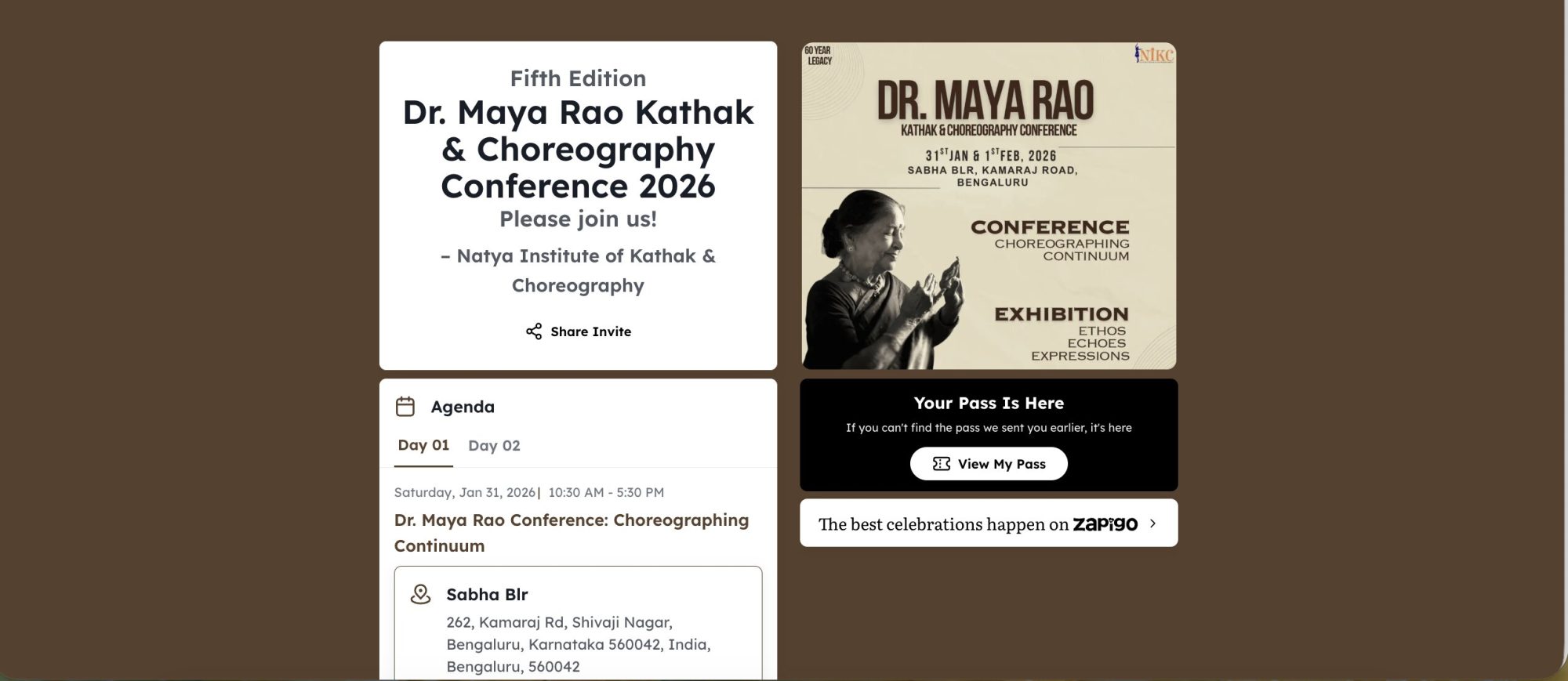
- A single digital invitation that captured:
- Both days, broken into sessions
- Morning vs afternoon agendas
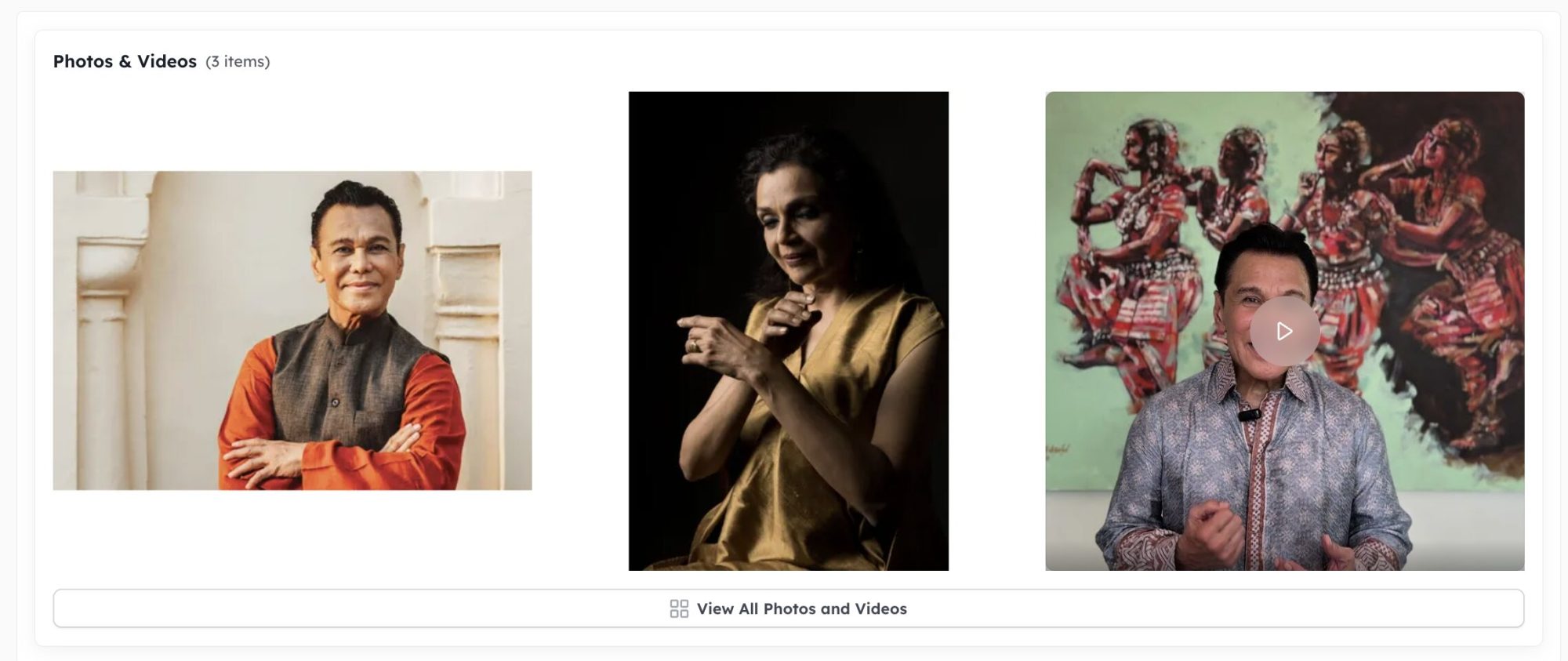
- Speaker profiles with photographs
- Embedded YouTube videos for context
- Exhibition details, without clutter
Attendees didn’t just know when the event was.
They understood what they were walking into.
2. We met the audience where they already were: WhatsApp
- Invitations were shared directly on WhatsApp
- RSVPs were collected naturally, without forcing logins or forms
- Guests could respond once and specify their intent
Behind the scenes, Natya finally had a live, structured view of interest and attendance—without awkward follow-ups.
3. We helped Natya document their community, quietly
No ticket prices.
No paywalls.
No long registration form friction.
A quick RSVP led to a free gate pass
Natya walked away knowing:
- Who engaged with the invite
- Who planned to attend which day
- Who their extended audience actually is
That data didn’t interrupt the cultural experience—it respected it.
What this unlocked for Us
For us at Zapigo, this experience made something clear:
Community events don’t need more tools.
They need tools that understand how communities actually gather.
Zapigo is building for:
- Cultural institutions
- Resident welfare associations
- Collectives, clubs, and interest groups
- Conferences that are rich in content but light on commercial intent
We stay free at the point of invitation because that’s how trust is built.
We earn relevance by showing up when the event is complex, meaningful, and human.
Why this matters to Zapigo
Every Natya-like event introduces Zapigo to:
- Hosts who organise repeatedly
- Audiences who attend often
- Communities that grow over time
By helping them invite better and document gently, Zapigo becomes part of the ecosystem—not an interruption to it.
That’s how community events become the quiet foundation for everything else we’re building.
Leave a Reply